
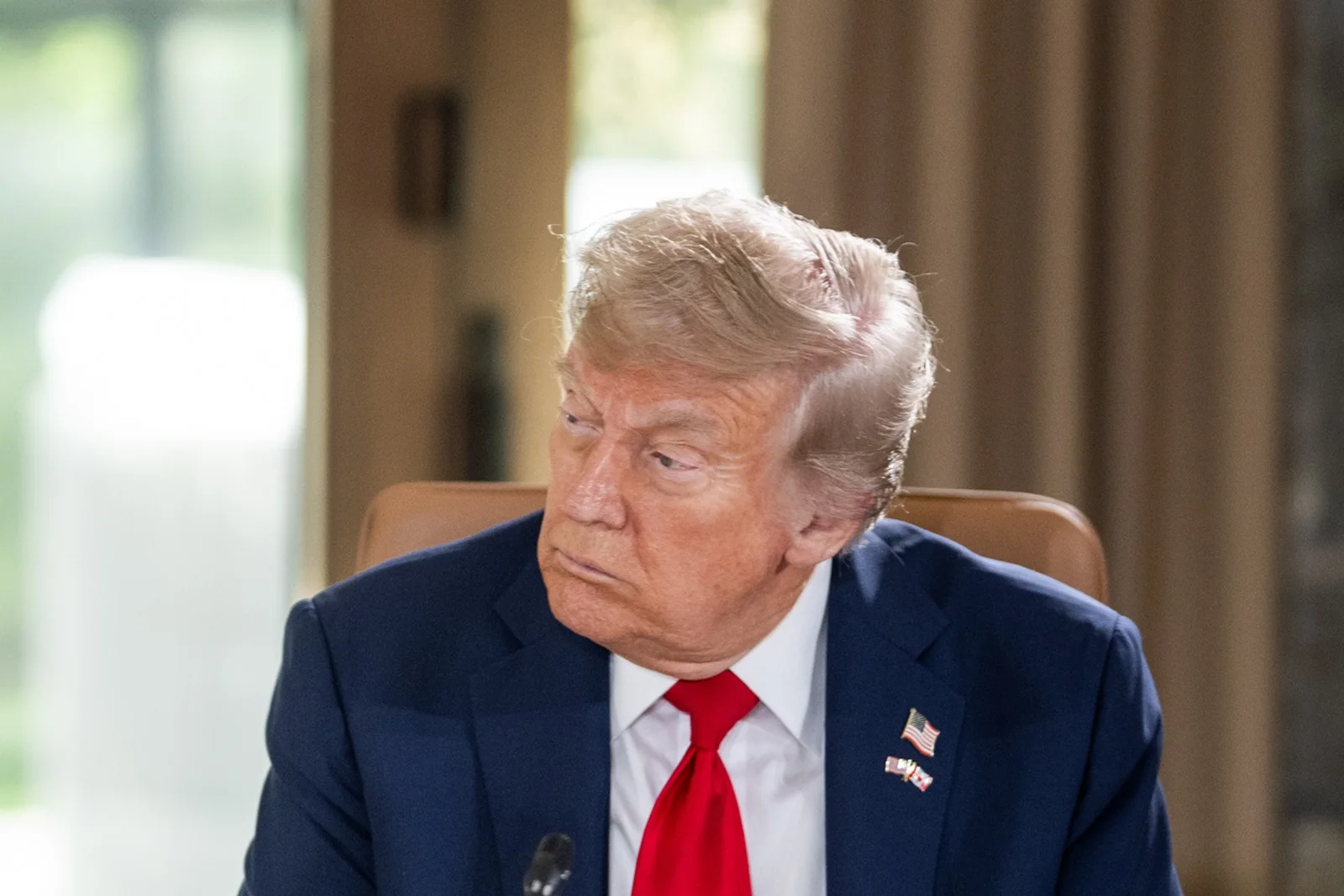
President Donald Trump. Photo: The White House / Wikimedia Commons, Public domain
Few policies of Donald Trump’s second term have reached as far into neighborhood retail as his tariffs. Since returning to the White House in January 2025, the president has imposed duties on goods from nearly every country, at levels economists describe as the highest since the Great Depression. In Uptown, the effect shows up less in headlines than on invoices.
Walk down Argyle Street and much of what is on the shelves crossed an ocean. Rice noodles, fish sauce, dried mushrooms, tea, cookware and porcelain come from Vietnam, Thailand, China and elsewhere in Asia. Boutiques on Broadway stock clothing and gifts made overseas. Restaurant supply orders include imported equipment and packaging. For a small importer or a shop that buys from one, a tariff is a cost that has to land somewhere.
Where the cost goes
Business owners generally have three choices. They can raise prices and risk losing customers. They can absorb the increase and accept thinner margins. Or they can look for substitutes, which is often harder for specialty grocers whose customers want a particular brand from a particular country.
Larger chains can spread higher costs across thousands of products and negotiate with suppliers. A family grocer with one location cannot. That gap is one reason trade groups for small retailers have been among the loudest voices on tariffs, regardless of their politics.
The other side of the argument
Supporters of the tariffs say they protect American manufacturing and push companies to move production back to the United States. The administration has framed them as leverage in trade negotiations and as a source of federal revenue. Some Midwestern manufacturers have welcomed protection from foreign competition.
For Uptown’s commercial strips, which are built mostly on retail, food and services rather than factories, that benefit is harder to see. The neighborhood’s economy runs on goods that are bought, not made, locally.
Watching prices
The practical question for owners is how long the current rates will last. Tariff levels have shifted repeatedly since 2025, with exemptions, pauses and court challenges along the way, which makes planning difficult. Many shopkeepers have responded by ordering smaller amounts more often, keeping less money tied up in stock that could cost more or less next month.
Customers notice in small ways: a few cents more on a bag of rice, a gift that costs a little more than last December. Those increments add up for households and for the shops that serve them.
Dana Ferraro covers property taxes, small business finance and the economy.