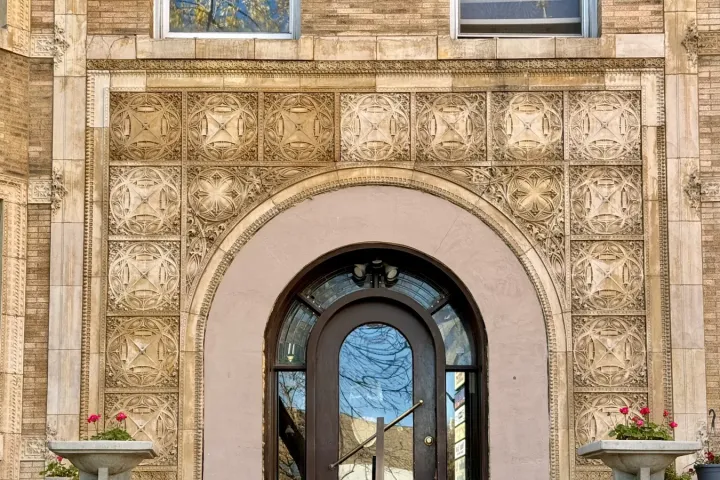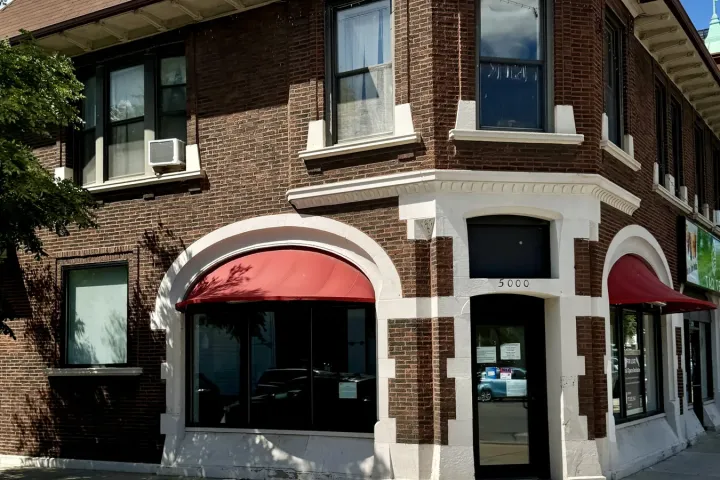
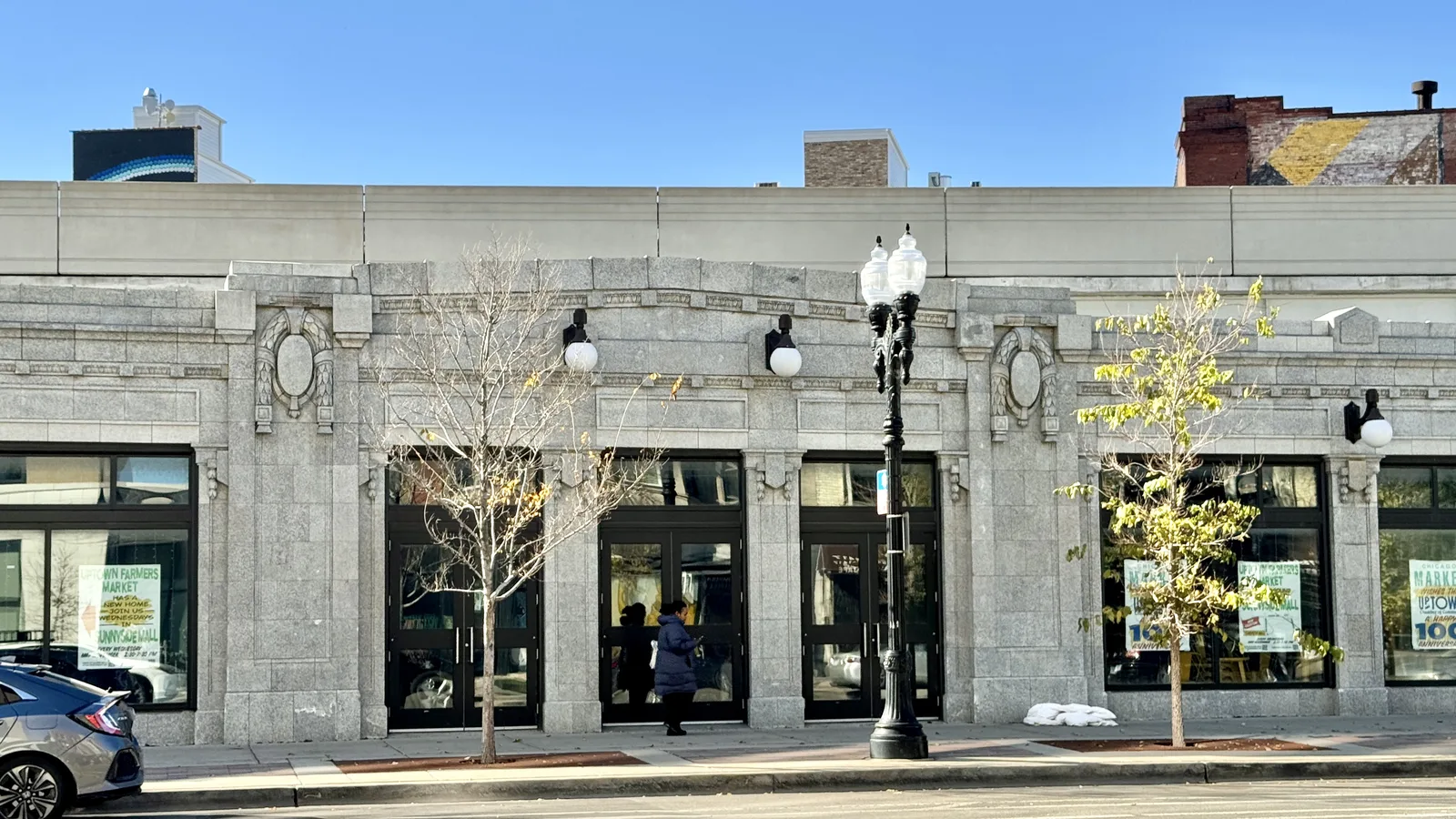
Broadway and Wilson Avenue. Photo: Warren LeMay from Chicago, IL, United States / Wikimedia Commons, CC BY-SA 4.0
Every fall, the agencies that serve homeless and low-income residents in Uptown start preparing for winter. Coats and blankets are collected, warming centers are planned and outreach teams map out where people are sleeping outdoors.
Uptown has one of the largest concentrations of shelters, supportive housing and social service agencies on the North Side, a legacy of decades of policy and community work.
Who does the work
Organizations in the neighborhood include shelters, meal programs, health clinics and job training centers. Some, like Inspiration Corporation, have served Uptown for decades with meals, employment training and housing support. Others focus on youth, refugees, veterans or people with mental illness.
Coordinating with the city
The city operates warming centers during extreme cold and coordinates with nonprofits on outreach. During severe weather, agencies extend hours and increase outreach to people living in encampments or on the street.
The role of business
Local businesses play a part too. Some donate food, clothing or money. Others employ graduates of job training programs. Many owners on Broadway and Wilson see the effects of homelessness every day and support efforts to connect people with housing and services.
Tensions and partnerships
The concentration of services has long been a point of debate in Uptown. Some residents and business owners say it places too much of the city’s burden on one neighborhood. Advocates say the services are located where people need them and that cutting them would make problems worse.
How to help
Agencies typically need winter clothing, hygiene supplies and volunteers, along with cash donations, which give them the most flexibility. Many post their needs online at the start of the season.
Joel Sandoval covers arts, music venues and nightlife.