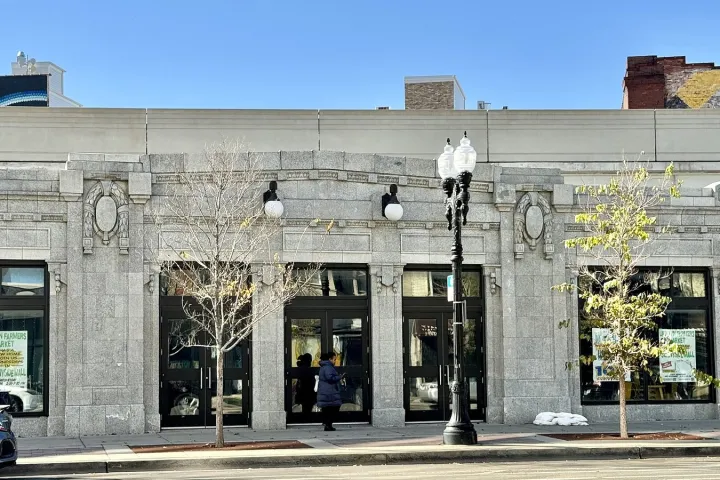
Broadway in Uptown, Chicago. Photo: Warren LeMay from Chicago, IL, United States, CC BY-SA 4.0, via Wikimedia Commons.
Neighbors challenging Chicago’s Broadway upzoning from Montrose to Devon filed an appellate brief this week, asking a higher court to revive a lawsuit Cook County Judge Neil Cohen dismissed in June — a case that covers blocks in both Edgewater and Uptown.
Edgewater Residents for Responsible Development argues the October 2025 rezoning violated notice rules and limited public comment at the zoning committee. Cohen held that the plaintiffs had not shown prejudice to a protected property interest. The new brief says that reading “ignored 60 years of Illinois zoning law” and brushed past how the hearing was run.
City Council approved the change to allow taller, denser buildings and more business uses along a Red Line corridor where housing costs have climbed. Alders Angela Clay (46th), Matt Martin (47th) and Leni Manaa-Hoppenworth (48th) backed the plan.
Money on the corridor
For Uptown businesses, the fight is not abstract. Upzoning changes what a lot can hold, what a lender will underwrite and how fast a lease gets renegotiated when a developer is circling. Pat Sharkey, president of the residents’ group, has warned that the map targets most Broadway buildings for eventual demolition and would turn a mixed business strip into “a slick high-rise canyon.”
Supporters at Neighbors of Edgewater & Uptown call that fear overstated. Neville Hemming, the group’s president, said a “small and unrepresentative” set of neighbors is trying to undo a public process at a moment when the city needs more homes near transit.
Separately, the Wilson Yard TIF that once financed large Uptown projects expired at the end of 2025, returning remaining balance to Cook County for redistribution. The Lawrence/Broadway TIF still runs through 2037 and can support commercial and streetscape work. Together, the dead TIF and the live upzoning fight mean Broadway’s capital stack is shifting from district subsidies toward private density — if the courts let the new zoning stand.
What comes next
The city Law Department said it does not comment on pending litigation. Until the appellate court rules, the upzoning remains in force and building permits can follow the new map. Uptown shopkeepers and property owners watching assessed values, SSA assessments and construction staging along Broadway have two calendars now: the court docket, and the bid dates that will not wait for it.
Uptown’s SSA and chamber offices already field calls from owners who want to know whether to renovate under old rules or wait. Title companies and lenders price appellate risk into deals; a cloud on zoning can delay closings even when permits are technically available.
Broadway between Lawrence and Devon is not only Edgewater’s fight. Uptown blocks share the same corridor zoning logic and the same Red Line stations that made density attractive to planners. A ruling that restores stricter notice requirements would slow future upzonings citywide. A ruling that backs Cohen would tell other neighborhoods that standing to sue over a neighbor’s zoning is narrow. Either way, the appellate caption now sits beside every Broadway term sheet in Uptown.
Developers who already optioned Broadway parcels are watching the appellate clock. A long stay or a reversal would force renegotiation of purchase agreements priced on the new envelope. A quick affirmance would unlock filings. Uptown’s commercial brokers, for once, have a court date on the same whiteboard as their closing dates.
For Argyle and Lawrence merchants who already rebuilt after earlier construction seasons, another wave of staging would test patience. Density advocates say more residents mean more customers. Existing tenants say more residents mean higher rents. The appellate court will not settle that argument; it will only decide whether the zoning map that frames it was adopted lawfully.
Dana Ferraro covers property taxes, small business finance and the economy.