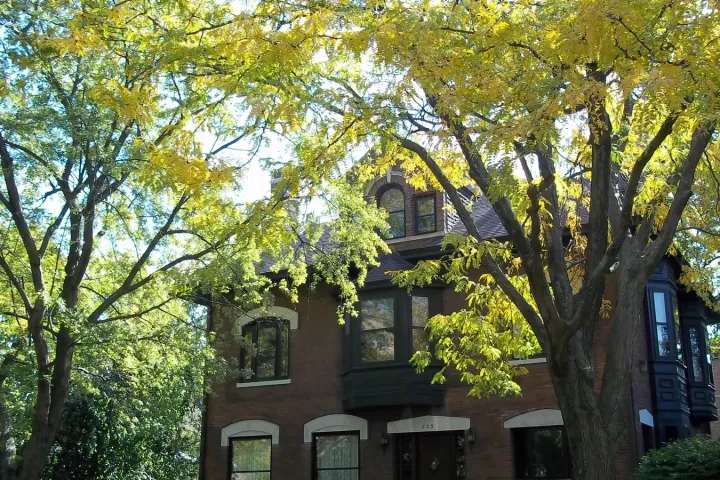
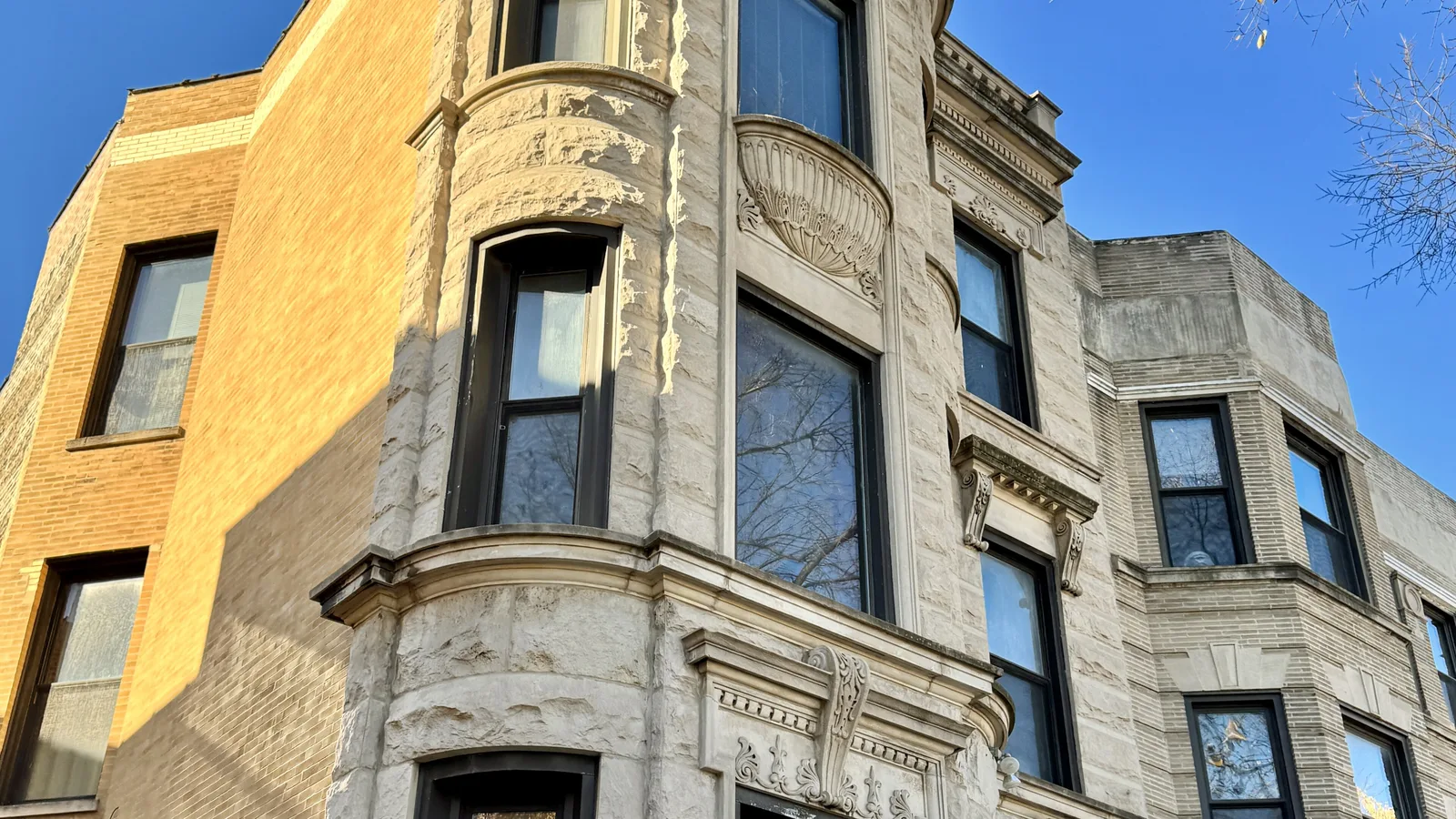
Apartment buildings along Sheridan Road in Uptown. Photo: Warren LeMay from Chicago, IL, United States / Wikimedia Commons, CC BY-SA 2.0
Uptown has added new apartment buildings in recent years, many of them near the Wilson and Lawrence Red Line stations. City rules that encourage density near transit have made those sites attractive to developers.
The result is a neighborhood where new high-amenity buildings sit beside century-old courtyard buildings and subsidized housing.
What developers build
The new projects tend to be mid-rise and high-rise buildings with studios, one-bedrooms and some two-bedrooms, ground-floor retail and amenities such as gyms and rooftop decks. Rents are generally higher than in older buildings nearby.
City affordable housing rules require many projects to include a share of units at lower rents or to pay into a fund for affordable housing elsewhere.
The debate over rents
Housing advocates have long worried that new construction drives up rents in surrounding buildings and pushes out lower-income residents. Many economists argue that adding supply eases pressure on rents over time, especially when demand is strong.
Uptown has a long history of fights over development and affordability, including debates over single-room occupancy hotels and subsidized housing.
What it means for local business
For businesses, new residents mean new customers within walking distance. Grocery stores, cafes, fitness studios and restaurants all benefit from more people living nearby. Ground-floor retail in new buildings can also bring new tenants to the commercial strips, though those spaces sometimes sit empty for long periods.
What to watch
Key questions include how many new units are built, how many of them are affordable, and whether older buildings are preserved or replaced. The answers will shape who can afford to live in Uptown in the years ahead.
Marcus Hadley covers business, transit and real estate in Uptown.