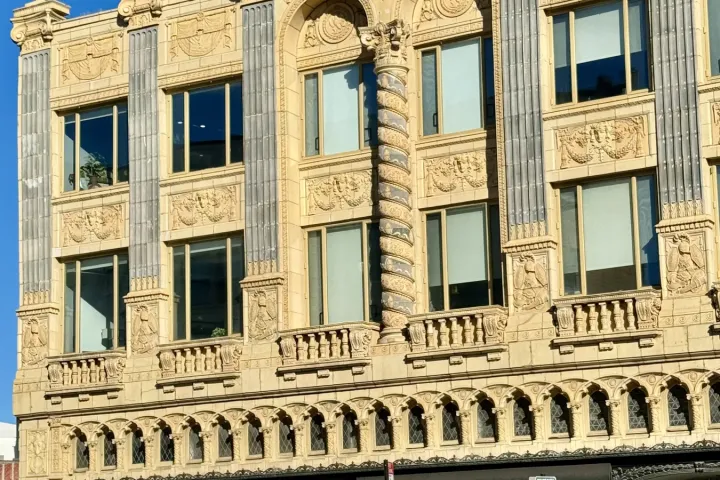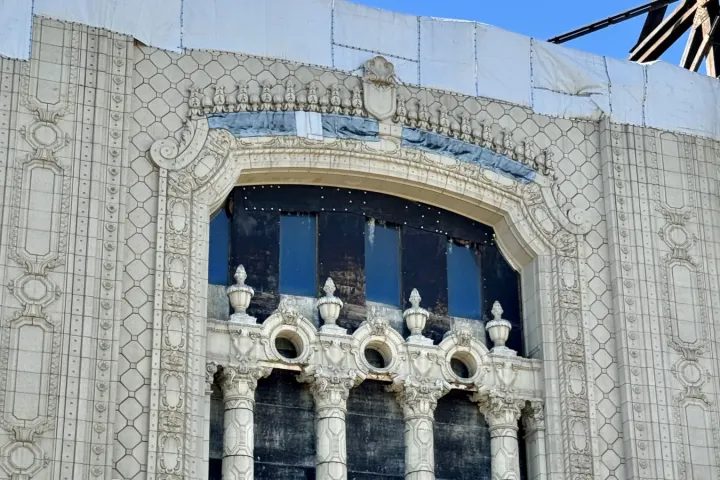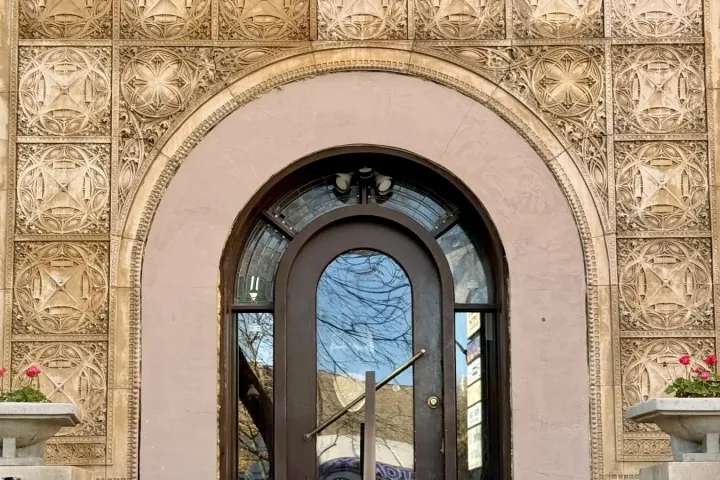
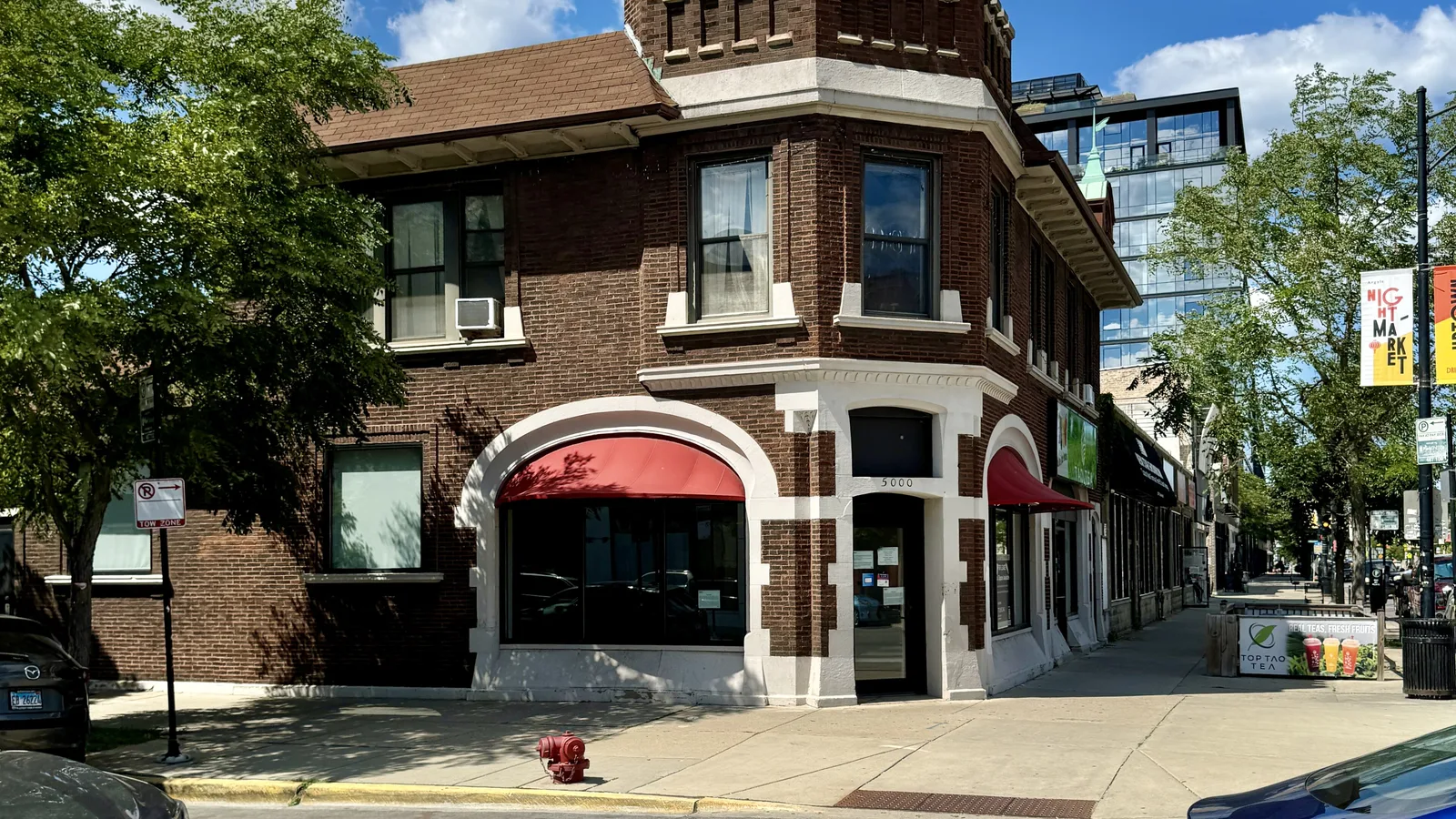
Storefronts on Broadway near Argyle Street. Photo: Warren LeMay from Chicago, IL, United States / Wikimedia Commons, CC BY-SA 4.0
Broadway is Uptown’s main street, running from Montrose north past Lawrence, Argyle and Foster. On a single walk, a visitor can pass a new restaurant, a shuttered bank branch, a busy pharmacy and a row of papered-over windows.
Vacancy is not new on Broadway. But the reasons for it have shifted.
Why spaces stay empty
Owners and brokers point to several factors. Some buildings need expensive repairs before a tenant can move in. Others have owners who would rather wait for a higher rent than accept a lower one. Older storefronts may lack modern electrical service, ventilation for restaurants or accessible entrances.
Permits add time. A new restaurant must clear building, health and liquor reviews, and each step can take weeks or months. Small operators without deep reserves can run out of money before they open.
Who is filling spaces
The businesses opening on Broadway tend to fall into a few groups: restaurants with a following elsewhere, fitness and wellness studios, service businesses such as salons and clinics, and nightlife tied to the entertainment district. Nonprofits and social service agencies also lease space on the corridor.
The Chicago Eagle’s reopening at the Uptown Broadway Building and continued activity at the Aragon and Riviera have kept the southern end of the strip near Lawrence busier than some blocks to the north.
Tools available
The city’s Small Business Improvement Fund, tied to tax increment financing districts, can reimburse part of the cost of storefront renovations. Special service areas fund cleaning, events and marketing on commercial strips. Owners say the programs help but do not solve the basic issue of rent and buildout cost.
The outlook
The Uptown Theatre remains the largest question mark. A restored theater would change the calculation for every storefront near Broadway and Lawrence. Until then, the corridor will fill in one lease at a time.
Dana Ferraro covers property taxes, small business finance and the economy.