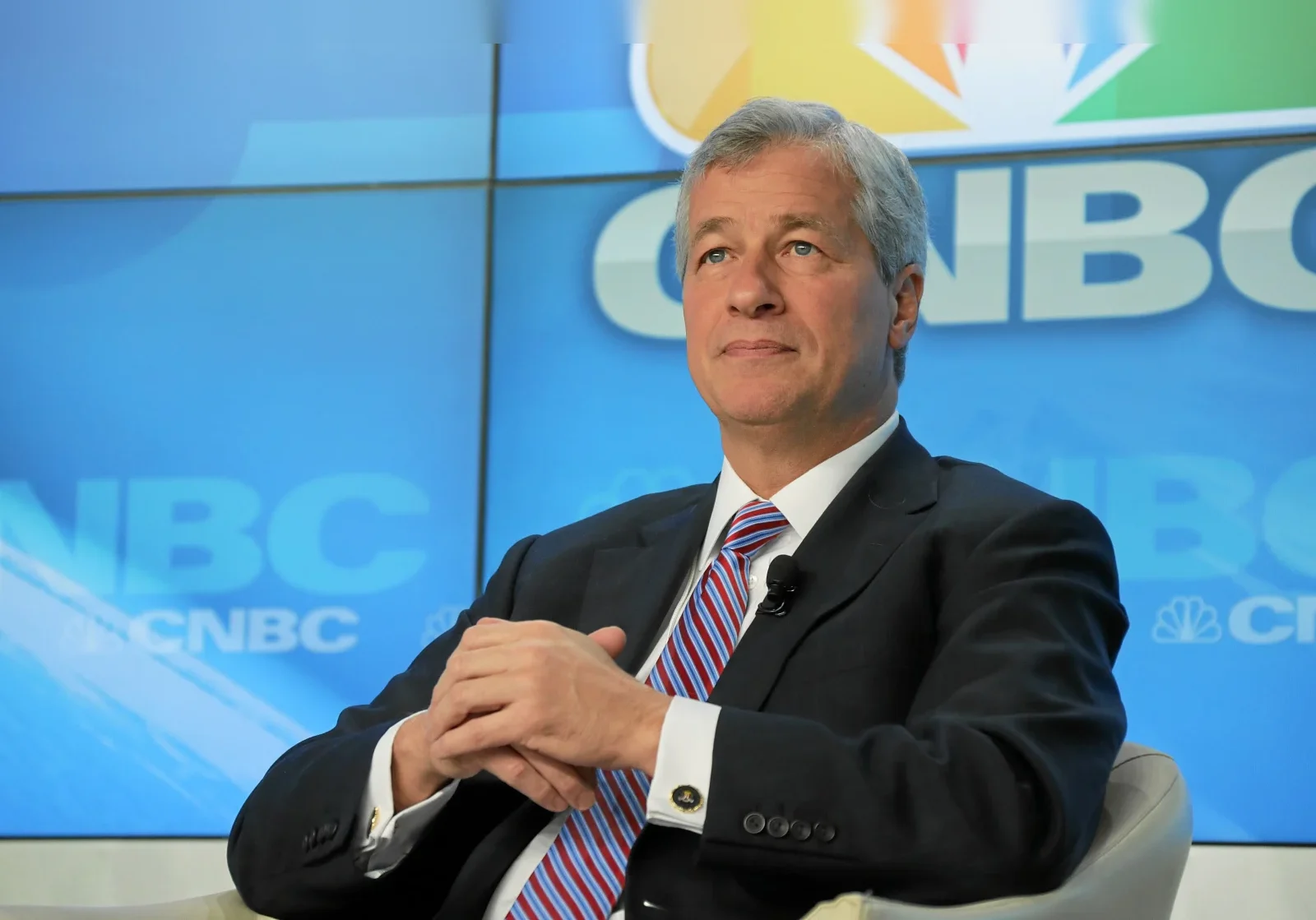
JPMorgan Chase CEO Jamie Dimon. Photo: World Economic Forum / Wikimedia Commons, CC BY-SA 2.0
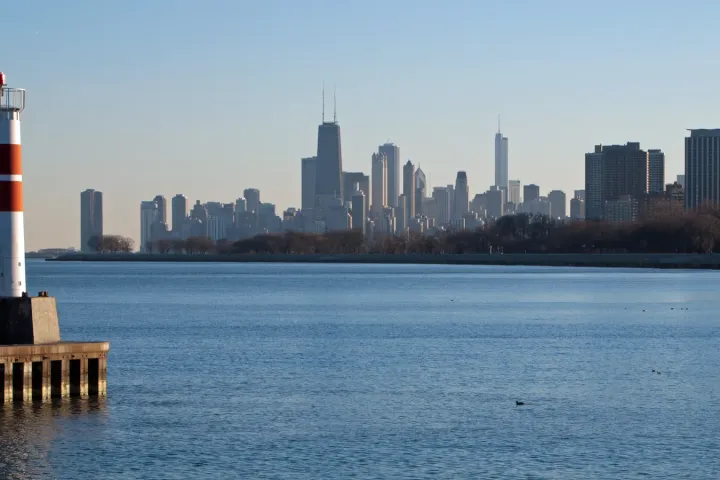
Before Jamie Dimon was the most prominent banker in America, he was a Chicagoan. In 2000 he became chief executive of Bank One, then headquartered in Chicago, and ran it until its merger with JPMorgan Chase in 2004. He became JPMorgan’s chief operating officer, then CEO in 2005 and chairman in 2006.
That history is one reason the Chase name is so common on Chicago street corners. Bank One branches became Chase branches after the merger, and the bank remains one of the largest in the city by deposits. Uptown residents who bank with Chase are, in a sense, customers of the institution Dimon ran from Chicago.
A career built on mergers
Dimon, born in New York in 1956, studied at Tufts and Harvard Business School and spent years under Sandy Weill at American Express, Commercial Credit, Travelers and Smith Barney before becoming president of Citigroup. After being pushed out there in 1998, he took the Bank One job and rebuilt its finances before arranging the deal with JPMorgan.
The annual letter
Dimon’s yearly letter to shareholders is one of the most widely read documents in finance. It covers the bank’s results but also his views on regulation, the economy, geopolitics and public policy. Small business owners read it for clues on credit conditions, since JPMorgan’s lending decisions shape how easy it is to get a loan for a new storefront or equipment.
Recent headlines
In October 2025, Dimon told the BBC he saw an increased risk of a major market correction. In January 2026, President Trump filed a $5 billion lawsuit against JPMorgan and Dimon, claiming his accounts had been closed for political reasons. In June 2026, Dimon led a roadshow pitching investors on the SpaceX public offering.
His compensation has drawn attention too. Filings show pay of about $39 million for 2024 and $43 million for 2025.
What it means locally
For neighborhood businesses, a bank the size of JPMorgan is both a lender and a benchmark. Its rates on small business credit lines, its willingness to lend in lower-income areas and its decisions on branch openings and closings all affect commercial strips like Broadway and Lawrence.
Dana Ferraro covers property taxes, small business finance and the economy.