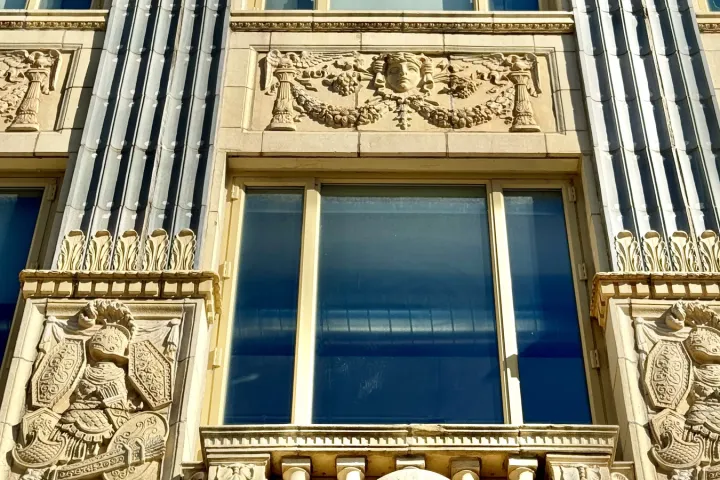
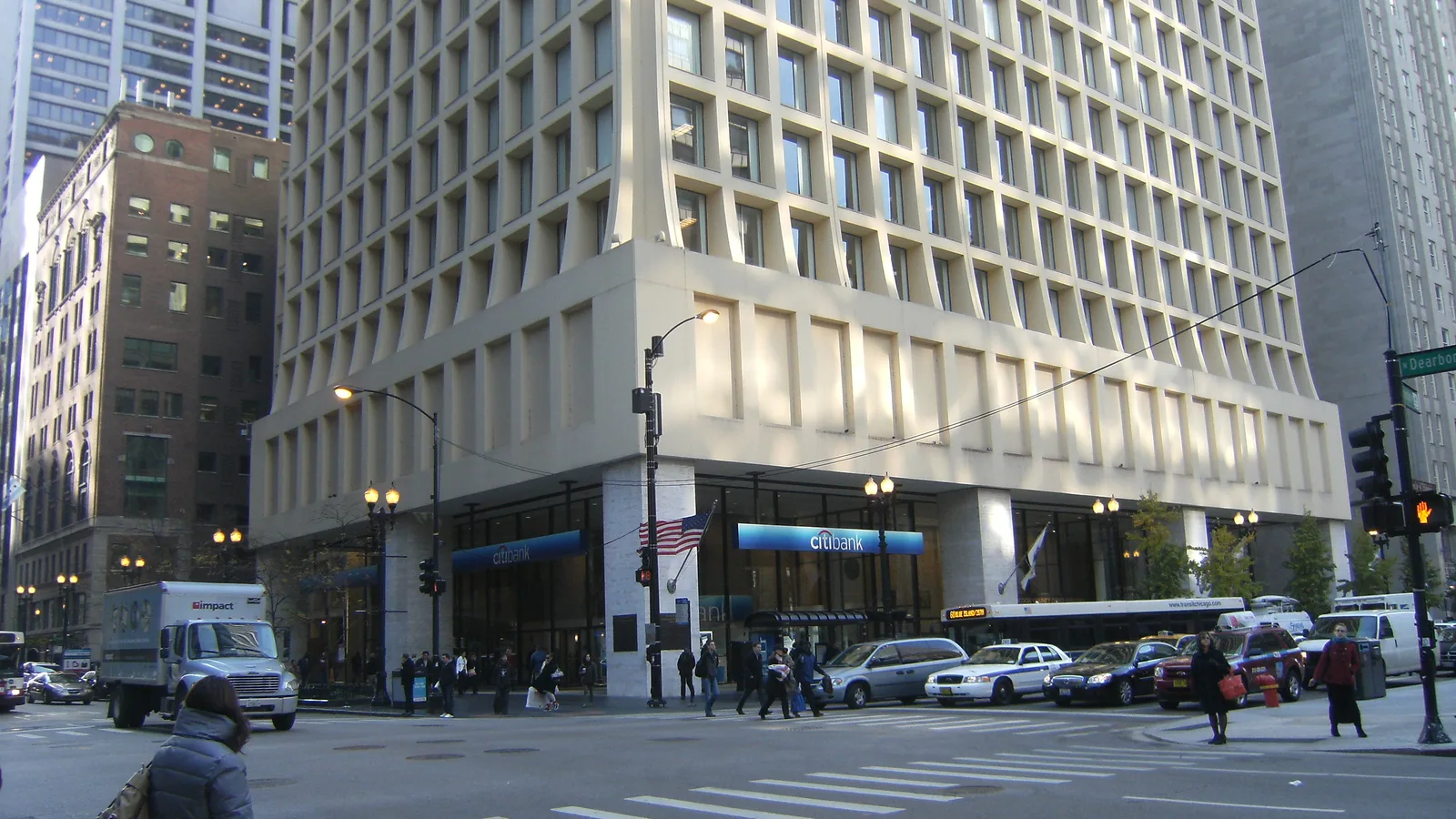
The Cook County Administration Building in the Loop. Photo: Chicago Architecture Today / Wikimedia Commons, CC BY 2.0
Property taxes are one of the largest costs for owners of homes and commercial buildings in Uptown, and they pass through to tenants in rents and leases. In Cook County, the process that sets those bills is complex, and the timing matters.
How reassessment works
The Cook County Assessor reassesses property in one of three regions each year, so each area is revalued every three years. The City of Chicago is one of those regions. When a reassessment happens, the assessor estimates the market value of each property, which then feeds into the tax bill along with local tax rates and state formulas.
Appeals
Owners can appeal their assessment, first with the assessor and then with the Cook County Board of Review. Many owners use attorneys or tax consultants, who typically charge a share of any savings. Homeowners can also file on their own.
The Board of Review holds seminars and outreach events to explain the process, a practice that dates back many years in Uptown.
Exemptions
Homeowners may qualify for exemptions that reduce the taxable value of their property. These include the homeowner exemption, the senior exemption and the senior freeze for eligible older residents. Owners should check that the exemptions they qualify for are applied to their bills.
Commercial pressure
Commercial property owners have raised concerns in recent years about rising assessments, particularly for older buildings. Those increases can push up rents for small businesses, which often pay a share of property taxes under their leases.
What to do
Owners should review their assessment notices when they arrive, compare them with similar properties and consider an appeal if the value looks too high. Tenants should read their leases to understand how tax increases are passed through.
Dana Ferraro covers property taxes, small business finance and the economy.