
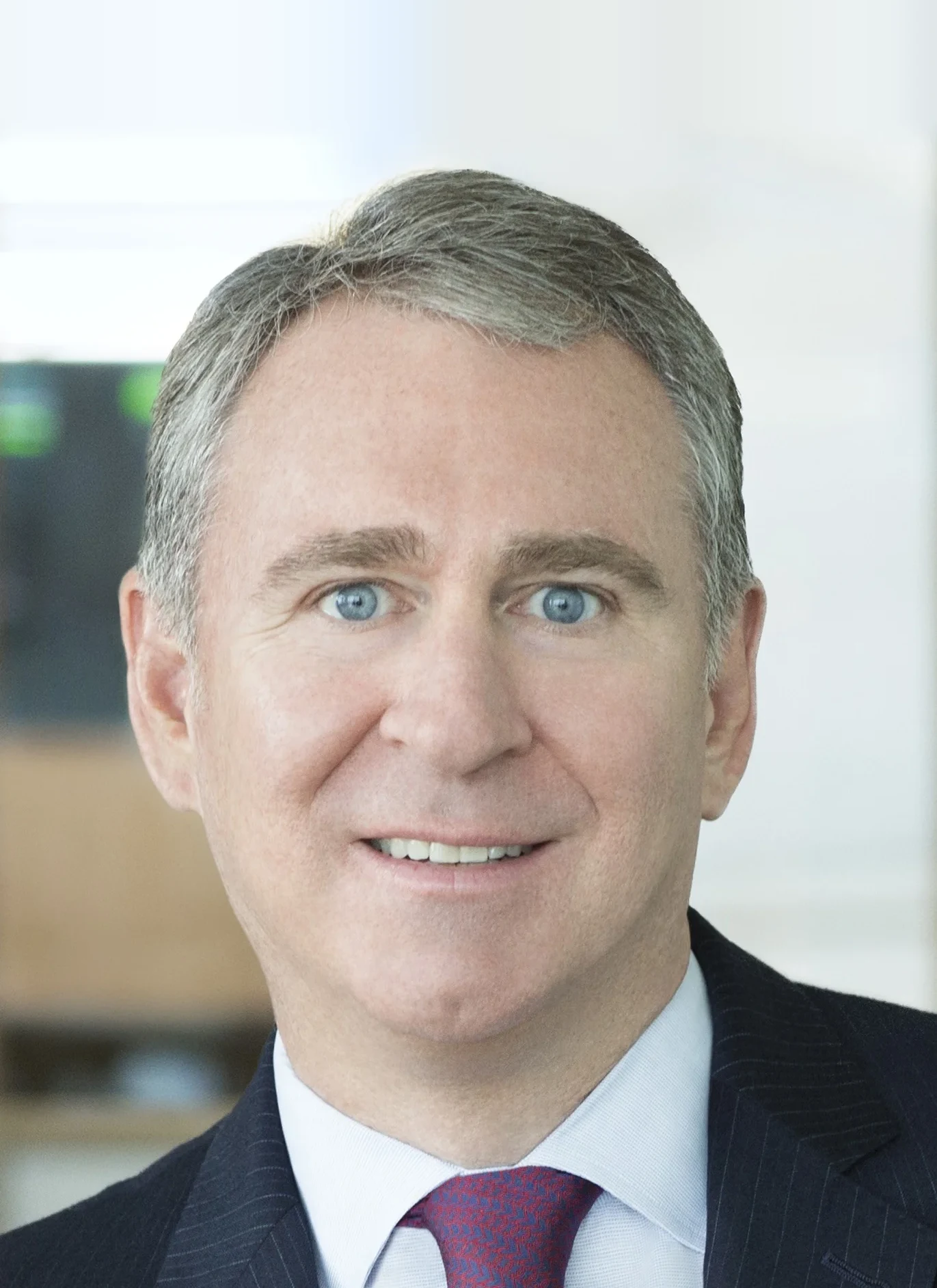
Ken Griffin, founder and CEO of Citadel. Photo: Paul Elledge / Wikimedia Commons, CC BY-SA 4.0
Ken Griffin arrived in Chicago in 1989, fresh out of Harvard, to work with Frank Meyer of Glenwood Capital Investments. He founded Citadel in the city the next year and built it into one of the largest hedge funds in the world, along with Citadel Securities, one of the biggest market makers in the United States.
In June 2022 he announced that both firms would move their global headquarters to Miami. Griffin cited Miami’s business climate and concerns about crime and public policy in Chicago. It was one of the most visible corporate departures from the city in years.
What stayed behind
Citadel said it would keep offices in Chicago, and it has. The firm’s departure was a blow to civic pride, but not a complete exit. Employees still work in Chicago, and the company still has a presence in the financial district.
Griffin’s philanthropy also left marks. He has given widely to Chicago institutions over the years, and his name is attached to several of them. He served on the board of the Museum of Contemporary Art Chicago from 2000 to 2022.
The scale of the fortune
As of January 2026, Forbes estimated Griffin’s net worth at about $51.2 billion. Citadel managed around $67 billion in assets at the start of 2026 after distributing $5 billion in 2025 profits to investors. In January 2026 Griffin partnered with Goldman Properties to spend at least $180 million on an office building in Miami’s Wynwood district.
Griffin has also been a major political donor, usually to Republican and conservative candidates, and he has clashed publicly with Illinois Democrats, including Gov. JB Pritzker.
Why Uptown cares
Corporate headquarters matter to neighborhoods far from the Loop. High-paid employees live in places like Uptown’s lakefront high-rises along Marine Drive, eat at local restaurants and pay property taxes. When a large firm moves its top people elsewhere, the effect ripples out to landlords, restaurants and service businesses.
The broader lesson for Chicago is about competition. Cities now compete openly for financial firms, and Griffin’s move became a case study cited by business groups pressing for changes in Illinois tax and public safety policy.
Marcus Hadley covers business, transit and real estate in Uptown.